
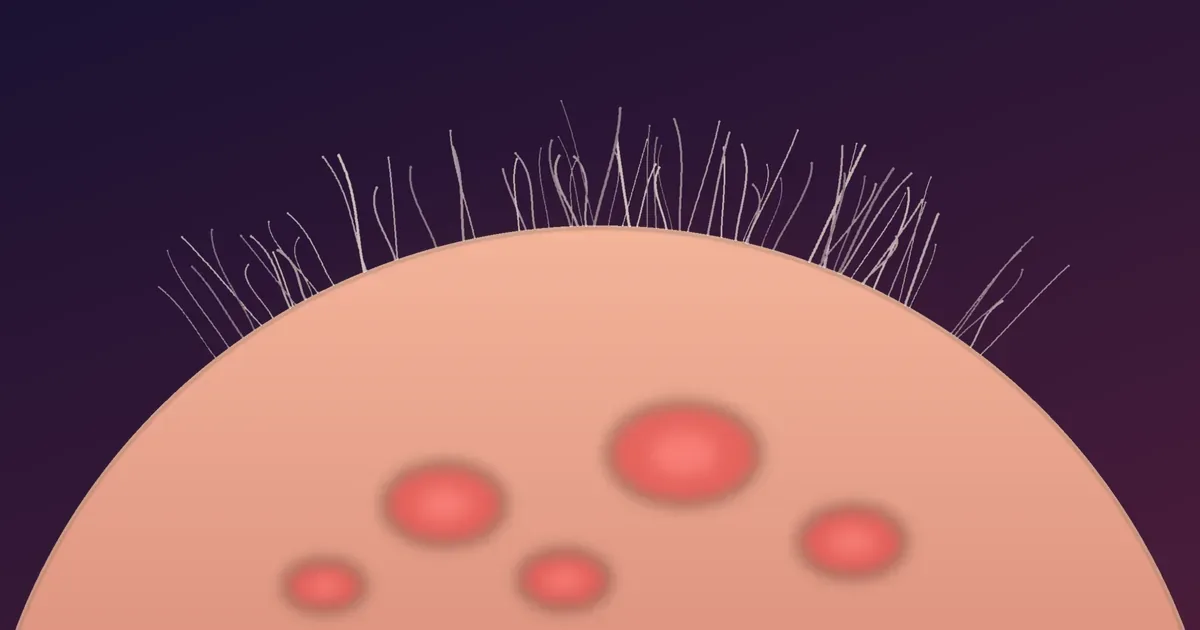



What Is Scalp Inflammation?
When your scalp gets red and starts itching, that's inflammation showing up. An inflamed scalp is the body's response to an irritant, could be an infection, an allergic reaction, or a chronic skin condition. The result? A tender patch of skin that flakes, oozes, and in some cases leads to thinning hair.
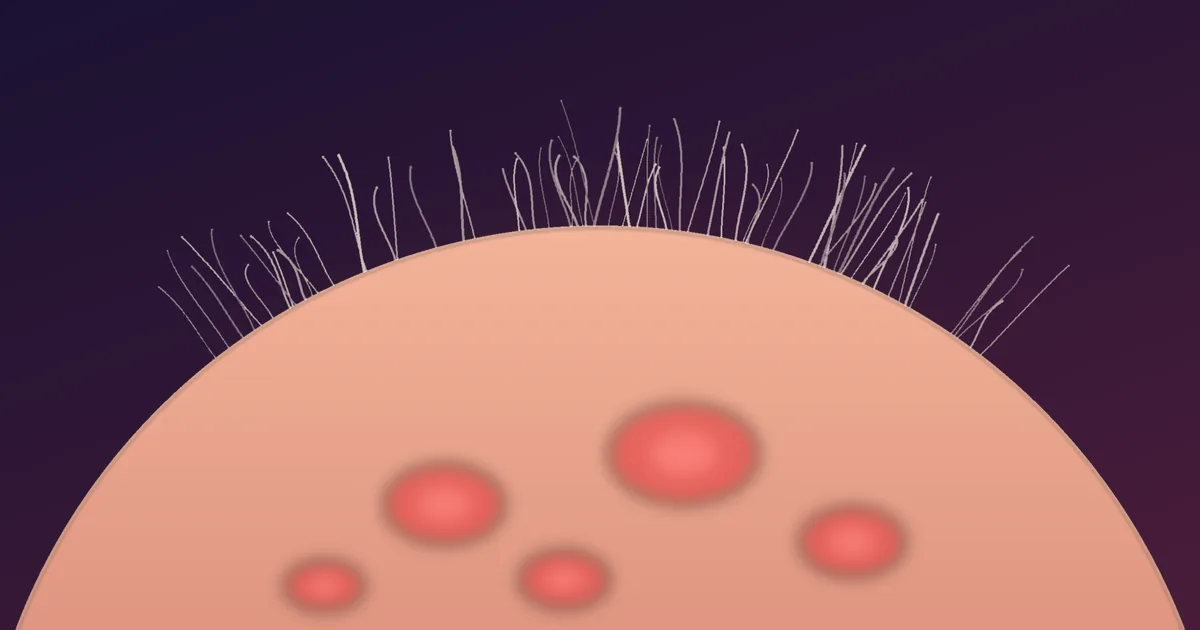
This isn't just dandruff. Scalp inflammation means real redness and swelling, not just dry flakes.
Common Causes of an Inflamed Scalp
Inflammation of the scalp isn't a single condition. Instead, it's a handful of distinct conditions that all share redness, itching, and tenderness. Pin down the actual cause, and treatment becomes a lot more straightforward.
Seborrheic Dermatitis
This is the most common reason for an inflamed scalp. You'll notice yellowish, greasy flakes sticking to the scalp and sometimes behind the ears. Underneath, the skin looks red and feels irritated. No one knows exactly what causes it, but a yeast called Malassezia seems to play a role. It's not contagious, and it tends to flare in cold, dry months.
Psoriasis
Psoriasis of the scalp is a different animal. Psoriasis is an autoimmune condition-skin cells turn over too fast and pile up into thick, silvery plaques. Inflammation here tends to be more intense than seborrheic dermatitis-brighter red, thicker scale, sometimes extending past the hairline onto the forehead or neck. About half of people with psoriasis develop it on the scalp. The scalp can itch, but for some people it's more about burning or tightness. Genetics play a role, and triggers like stress or infections can set it off.
Allergic or Irritant Contact Dermatitis
Your scalp encounters plenty of chemicals-shampoos, conditioners, hair dyes, styling products. Any one of these can trigger a reaction. Allergic contact dermatitis shows up 24-48 hours after exposure-red, swollen, sometimes blistery. Irritant contact dermatitis sets in within minutes-more of a burn, raw rather than itchy. Hair dyes are a common culprit, especially those containing paraphenylenediamine (PPD). Even nickel from hair clips can trigger contact dermatitis, and it's another possible trigger.
Scalp Folliculitis
When hair follicles get infected, the result is folliculitis. Small pus-filled bumps stud the red scalp, often itchy or painful. Bacteria-usually Staphylococcus aureus -are the typical cause, but fungi can also be responsible. People who sweat heavily, wear helmets or hats, or use oily hair products are more prone to it. When bumps rupture and form crusts, it's easy to confuse them with acne. But that's not the case, it's an infection that spreads if you pick at it.
Fungal Infections (Tinea Capitis)
Ringworm of the scalp shows up more often in children, though adults aren't immune. It leaves round, scaly patches with broken hairs and noticeable redness. The area can be tender. Tinea capitis is different from seborrheic dermatitis because it often brings patchy hair loss. It's contagious: shared combs, pillows, or barber clippers can spread it. A culture test is the only way to confirm it.
Less common triggers include lichen planopilaris (an inflammatory condition that destroys hair follicles) and lupus-related scalp lesions. Both require a dermatologist's biopsy to diagnose. If OTC shampoos haven't helped and symptoms persist for weeks, get it checked.
Can Scalp Inflammation Cause Hair Loss?
Short answer: yes. But the kind of hair loss matters.
Here's how it works. When your scalp is inflamed, from seborrheic dermatitis, scalp folliculitis , or an allergic reaction, your immune system floods the area with cytokines. Those chemical signals? They throw the normal hair growth cycle off balance. Follicles that should be in the growing phase-anagen-get shoved into the resting phase, telogen, way too early. Six to eight weeks later, hairs fall out in clumps. Dermatologists call this telogen effluvium.
The good news? Once the scalp inflammation settles down, the follicle usually wakes back up. It also grow it all back within six. The trick? Treat the root cause, not just the redness scalp , before the inflammation turns chronic.
When Inflammation Becomes Permanent
There's a darker scenario. Take discoid lupus or lichen planopilaris (LPP), there, the inflammation goes straight for the follicle. Scar tissue forms, and the hair? Gone for good. Permanent scarring can happen within weeks if the immune attack is severe enough.
The differentiating signs, and think back on the causes treatments you've tried. If a topical steroid or antifungal shampoo calms the inflammation redness within five days, you're probably dealing with temporary shedding. If the area stays red, shiny, and hairless for months - that's a red flag. You need a dermatologist to rule out scarring alopecia.
Bottom line: inflammation can absolutely be one of the major hair loss causes , but it's often reversible. Treat the scalp, and the hair follows. Ignore the inflammation for six months, and you risk permanent loss in some cases. The thing is, most people wait too long. They keep scratching and hoping. Don't.
How to Treat an Inflamed Scalp
Treatment for an inflamed scalp starts with figuring out what's driving it. Fungus, bacteria, allergies, psoriasis, or just a bad reaction to a new shampoo-each needs a slightly different approach. The good news is the basics overlap enough that you can start at home without guessing the exact cause.
Medicated shampoos are usually the first line. Look for ketoconazole (Nizoral), selenium sulfide (Selsun Blue), or pyrithione zinc (Head &. Shoulders). Use them twice a week for a full month before judging results. If you see improvement but it's not gone, alternate with a coal-tar shampoo like Neutrogena T/Gel. These fight the yeast and bacteria that fuel inflammation, redness, and flaking.
When OTC shampoos aren't enough, doctors prescribe topical corticosteroids-clobetasol solution, betamethasone lotion. They knock down the inflammation quickly, and usually a 2-week course calms the scalp redness. For bacterial scalp folliculitis, they'll add an antibiotic like clindamycin gel or oral doxycycline for 4 to 6 weeks. Fungal folliculitis calls for oral terbinafine or itraconazole.
That's a mistake. If you've tried two different medicated shampoos consistently and your scalp is still red, itchy, and tender after four weeks, it's time to see a dermatologist. A swab or small biopsy can confirm the cause
Lifestyle changes have a bigger impact than most realize, and hot water makes inflammation worse-use lukewarm instead. Wash at least every other day if you're oily. Dry scalps can go two to three days but don't skip washes. Avoid scratching. The urge is strong, but scratching tears the skin and invites infection. If you're already dealing with hair loss, inflammation-triggered shedding usually reverses once the scalp heals-but scratching can cause permanent damage.
Quick at-home tips that work
- Cool compresses -10 minutes, twice a day-bring down both swelling and itching.
- Avoid hair oils and heavy styling products while your scalp is angry. They feed fungus and block hair follicles.
- Change your pillowcase every two days and wash hats, headbands, and brushes weekly.
- Watch your diet -sugar and dairy can trigger seborrheic dermatitis in some people. Try cutting them for two weeks and see.
For chronic conditions like scalp psoriasis or eczema, doctors sometimes prescribe topical calcineurin inhibitors (tacrolimus, pimecrolimus)-they don't thin the skin the way steroids do. Phototherapy is another route-narrowband UVB light, two to three times a week for a few months. It's effective but requires consistency.
One last thing. When you notice oozing, crusting, or a fever, that's not just inflammation-that's infection. See a doctor that day. Most inflamed scalps improve with the steps above, but ignoring an infection can cause permanent hair loss.
When to See a Doctor
With over-the-counter care, most inflamed scalps settle within a week or two. But a few red flags mean you should pick up the phone.
- No improvement after 1-2 weeks, and you've tried gentle shampoo, dodged irritants, and nothing moves. That's your cue.
- It gets worse instead of better. The redness deepens, the tenderness climbs, or the inflammation spreads past its starting patch.
- Oozing, crusting, or pus. That's infection territory, bacterial or fungal, and it needs a prescription.
- Fever along with the scalp issues. Your body's telling you something systemic is happening.
- Hair loss that's coming out in clumps or leaving visible bald spots. Inflammation-related hair loss is real, but catch it early and it usually stops.
- A single painful, swollen bump that grows. That's a boil or an abscess starting up.
- Itching severe enough to disturb your sleep. Scalp folliculitis can cause that, and it's miserable.
A dermatologist can swab the spot, pinpoint the cause in minutes, and get you on real treatment. Don't sit on it past two weeks
Related reading: How to Fix Dry Scalp Effective Remedies and Prevention, Why You Have a Bump on Scalp Signs and Care.
If your concern is thinning rather than hair care alone, the hair transplant page is a good place to read more about hair restoration.